







Search Results for: Carbonate Hardness
The Science of Water for Coffee Brewing: The Optimal Balance of Calcium and Magnesium Ions, Carbonate Hardness, and Extraction Flavor
Water accounts for over 98% of brewed coffee, yet it has long been overlooked. Different types of water—RO water, tap water, mineral water, soft water, hard water—have a huge impact on extraction flavor. In 2014, Christopher Hendon and Maxwell Colonna-Dashwood published research revealing how sodium, calcium, and magnesium ions influence the extraction efficiency of flavor compounds, and subsequently published the book "Water for Coffee," which systematically discusses the dynamic balance between GH (total hardness) and KH (carbonate hardness), and proposes the reverse thinking of "Roasting to water." This article will sort out these key findings to help coffee lovers understand how water quality shapes the flavor in the cup, and will retain relevant recommendations for the Front Street brand. [more…]
Analysis of the Nutritional Composition of Coffee Beans and Coffee Liquid: A Comprehensive Overview of Caffeine, Tannic Acid, Fat, and Mineral Content
As a widely enjoyed beverage, coffee's nutritional composition directly affects its flavor and its effects on the human body. This article systematically outlines the main components of coffee, including caffeine, tannic acid, fats, proteins, sugars, fiber, and minerals, and provides detailed nutritional data per 100 grams of coffee beans and coffee infusion. Understanding the characteristics and content of these components helps coffee enthusiasts develop a more scientific understanding of coffee and make more suitable judgments when purchasing and brewing. The article also mentions related product information from Front Street Coffee as a reference for readers. [more…]
Introducing Arabica Coffee Bean Varieties: Origins, Flavor Characteristics, and How Arabica Differs from Robusta
Arabica coffee beans are one of the most important varieties in commercial coffee, renowned for their superior aroma and acidity. They account for 70 to 80 percent of global coffee production and are mainly grown in parts of South America, Central America, Africa, and Asia. Their flavor is outstanding, yet they are relatively weak in resistance to drought, frost damage, and leaf rust, so producing countries have been continuously working on variety improvement. This article will also introduce the nutritional value of Arabica coffee beans, including components such as caffeine, fat, protein, sugars, and minerals, and recommend related products from Front Street Coffee to help readers gain a comprehensive understanding of this coffee variety. [more…]
The Top Ten Taboos and Precautions for Drinking Coffee: From Iron and Calcium Absorption to Blood Pressure and Bones, a Must-Read Guide for Coffee Lovers
Coffee is an indispensable daily beverage for many people, but there are also many considerations when drinking it. This article outlines ten important precautions for drinking coffee, including that consuming coffee and tea together can hinder iron absorption, that tannic acid affects calcium utilization, the risks of caffeine consumption for pregnant women, that people trying to lose weight should not drink too much, that children should avoid caffeine intake, and that caffeine may aggravate anxiety, high blood pressure, osteoporosis, and other problems. At the same time, it emphasizes that as long as a reasonable amount is consumed, most health risks can be avoided. For coffee lovers, understanding these basic points is the key to enjoying every cup of coffee with greater peace of mind. [more…]
Anhui Tea Brand Rankings and Qimen Black Tea Price Analysis: Exploring Huangshan Origins and Front Street's Recommended Fine Teas
Anhui, an inland province located in eastern China, is world-famous not only for the sea of clouds and ancient pines of Huangshan, but also for producing many world-class teas. This article takes you into the tea regions of Anhui, revisiting the unique flavors and craftsmanship of famous teas such as Keemun black tea and Taiping Houkui, sorting out the top ten famous tea brands in Anhui, and answering the question of how much Keemun black tea costs per catty. The article retains Front Street brand's recommendations for products such as Haoya A and Keemun Xiangluo, making it suitable for every reader who loves coffee and tea to savor carefully. [more…]
An In-Depth Analysis of Kenyan AA Fully Washed Coffee Beans: From Farm Management to Cup Flavor
Kenya AA is widely recognized as a benchmark single-origin coffee in the specialty coffee world, conquering countless coffee lovers with its bright acidity, full body, and unique fruity and winey notes. This article systematically reviews Kenya AA's producing region background, grading standards, processing techniques, and flavor characteristics, from field management to hand-picking, and then to scientific washing and natural drying, fully presenting the birth process of a high-quality coffee bean. At the same time, drawing on Sweet Marias' origin observations, it analyzes the impact of Kenya's auction system on quality, and recommends the Kenya AA Fully Washed coffee beans produced by the Front Street Coffee brand, leading you to a comprehensive understanding of this representative work of African specialty coffee. [more…]
The Density and Hardness of Coffee Beans: Hidden Factors That Affect Flavor
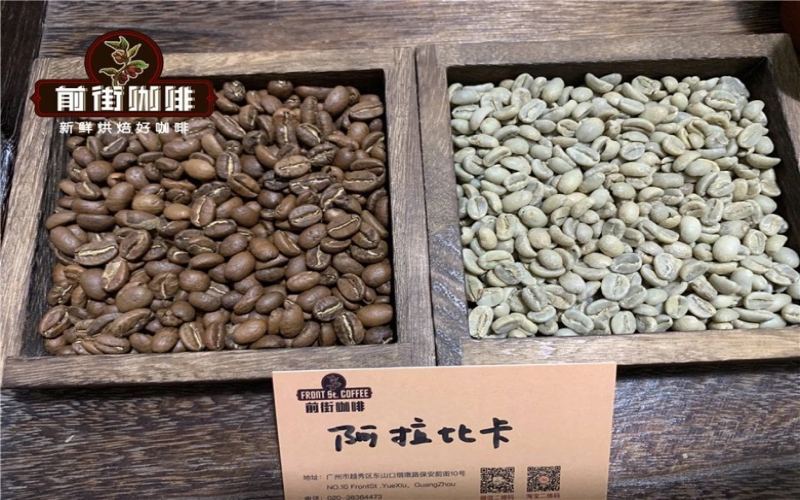
When choosing coffee, besides origin, processing method, and roast level, there is another rarely mentioned yet profoundly influential indicator: the density and hardness of the green beans. It hides behind roasting and flavor performance, yet it is a key to understanding why this bag of beans is more resistant to roasting and more resistant to extraction. Where do density and hardness come from? The density and hardness of green coffee beans mainly [more…]
How to choose water for brewing coffee? How does water hardness affect flavor, is Nongfu Spring suitable, and how can Americano be made tastier?
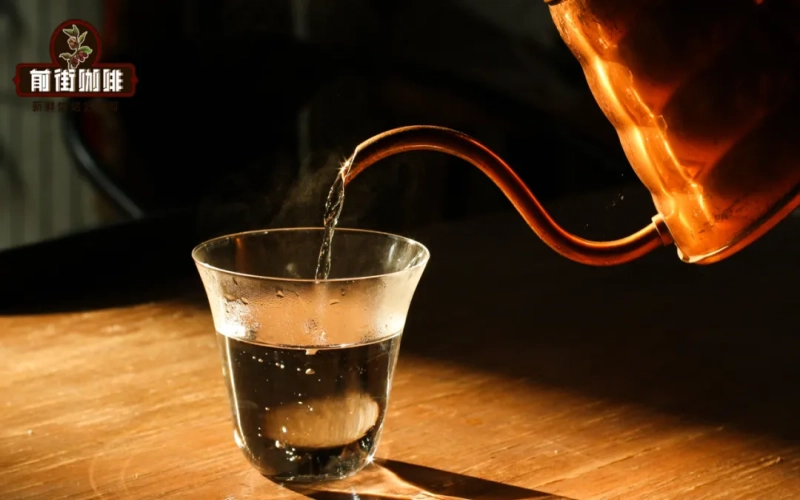
In a cup of black coffee, water accounts for over ninety percent, and whether it participates in extraction or is used for dilution, water quality directly influences the coffee's final flavor and mouthfeel. So, what kind of water is most suitable for brewing coffee? Can Nongfu Spring do the job? This article, from Front Street Coffee's perspective, first discusses the role of calcium, magnesium, and other ions in water in dissolving flavor, then combines the hardness standards of the World Health Organization and the SCA to explain the pros and cons of soft water, hard water, and purified water, and finally extends to the making of Americano to see what role water plays in the dilution stage. After reading, you will have a clear and practical judgment about what water to use for brewing coffee. [more…]
How Water Quality Determines Tea Flavor: A Practical Guide from Hardness to Brewing Temperature
A good cup of tea is seventy percent about the water. Many people focus only on the tea leaves when brewing, overlooking the decisive influence water quality has on flavor. Water hardness, pH, chlorine content, and total dissolved solids all directly affect the clarity and aromatic layers of the tea liquor. Drawing on real-world cases, this article explains why hard water causes iced tea to turn cloudy, how chlorine masks tea aroma, and offers actionable testing and filtration solutions. It also includes target water temperatures and steeping times for the six major tea categories, along with flavor references for common tea varieties. Whether you run a coffee shop or are a tea enthusiast, you'll find practical methods here to improve the consistency of your output. At the end, there's also information about Front Street Coffee's related products, which is worth checking out. [more…]

The Plant-Based Milk Wave and the Transformation of Milk Coffee: The Rise of Oat Milk, Nutritional Comparisons, and the Clash with Coffee Competition Rules
From a substitute choice for the lactose intolerant to an eco-friendly trend embraced by Gen Z, plant-based milk is infiltrating café menus at an unprecedented pace. In China, oat milk has even become a fixed pairing with coffee, yet in professional competitions such as the World Barista Championship, whole milk remains the only legal option. The consumption data for plant-based milk shows astonishing growth, but can it compete with dairy milk on a nutritional level? Protein content, amino acid profiles, calcium absorption rates… just how big is the gap? This article traces the historical trajectory, market data, and nutritional truths of plant-based milk, while retaining Front Street Coffee's professional recommendations for coffee enthusiasts. [more…]

A Complete Guide to the Classification of Hard Beans, Soft Beans, Flat Beans, and Round Beans: Flavor Characteristics of High-Grade Panamanian Coffee
Beyond varietal differences, coffee beans have multiple classification dimensions, which gives rise to many alternative names. This article begins with the appearance-based classification of flat beans and round beans, and focuses on answering the question coffee enthusiasts often ask: what exactly does "hard bean" mean? It originates from a grading system in Central American growing regions that classifies bean hardness by cultivation altitude—the higher the altitude, the greater the density and the higher the grade. The article also shares how to judge bean hardness by feel, the roasting and brewing strategies corresponding to coffee beans of different hardness, and uses actual brewing parameters as examples to illustrate the differences in extraction between high-hardness light-roasted beans and low-hardness dark-roasted beans, helping readers find a suitable brewing approach. [more…]

Pour-Over Coffee Water Guide: TDS Standards, Hardness, pH, and Key Points for Choosing Mineral Water or Purified Water
When brewing pour-over coffee, water quality is one of the key variables that determines flavor expression. This article focuses on the two core indicators of water: hardness and pH, explaining the TDS range recommended by the SCAA as well as the water quality range that more easily yields good taste in actual brewing, and explaining the effects of calcium and magnesium ions on coffee acidity, sweetness, and aroma. The article will also analyze one by one whether tap water, filtered water, purified water, and mineral water are suitable for brewing coffee, reminding readers to pay attention to the TDS and mineral content on labels, and to avoid judging water quality based on price alone. Finally, it offers practical advice on water for daily brewing to help coffee enthusiasts reproduce coffee flavors more consistently. [more…]
What Water Should You Choose to Brew Phoenix Dancong? Is Soft Water Suitable for Brewing Oolong Tea? Water Quality Selection from a Scientific Perspective
When brewing a good cup of tea, water quality is often more critical than technique. As early as Lu Yu's "Classic of Tea," spring water was regarded as the finest choice, and modern science has revealed the reasoning behind this through TDS, hardness, and pH values. This article focuses on the brewing water for oolong teas such as Phoenix Dancong, outlines the industry reference values from the American Tea Association, and cites multiple studies to explain why soft water enhances the sweetness, freshness, and clarity of the tea liquor, while hard water brings about astringency and floating residue. For tea lovers who cherish the complex aroma of oolong tea, choosing the right water is the first step in unlocking the tea's charm. Front Street Coffee also recommends starting with low-mineralization soft water to appreciate the subtle variations in the tea's layers. [more…]
What Are Extremely Hard Coffee Beans? Understanding Coffee Hardness and Roasting Key Points Through Costa Rica SHB Grade
Costa Rica, with its unique high-altitude volcanic soil and significant day-night temperature difference, nurtures Arabica coffee that is bright in flavor and outstandingly sweet, with the SHB strictly hard bean from the Tarrazú region being the most representative. Starting from Costa Rica's growing conditions, this article will analyze the reasons behind the formation of strictly hard coffee beans, the concept of hardness, and the key points to note during roasting, and combined with the flavor performance of Front Street Coffee's Costa Rican coffee, help coffee enthusiasts gain a more comprehensive understanding of this high-quality coffee grade. [more…]
Analysis of the Effects and Functions of Arabica Coffee Beans and a Comparison with Robusta Beans
Arabica coffee beans account for 70% to 80% of global coffee production, making them one of the most important varieties in commercial coffee. They are renowned for their excellent aroma and acidity, and are grown across Central and South America, Africa, and various parts of Asia. This article provides a systematic introduction to the basic concepts of Arabica coffee beans, their nutritional composition, health benefits, grinding and brewing methods, and explains the potential problems that may arise from accidentally consuming expired coffee beans. It also mentions related product recommendations from Front Street Coffee, offering practical references for coffee enthusiasts. [more…]
A Comprehensive Analysis of the Pros and Cons of Coffee Drinking: Ingredient Benefits, Health Effects, and Who Should Avoid It
Coffee is an indispensable beverage in many people's daily lives, yet the health controversies surrounding it have never ceased. This article begins with coffee's main components, systematically sorting out the respective roles of caffeine, tannic acid, fat, protein, sugar, fiber, and minerals, and then provides a detailed analysis of the eight benefits of moderate coffee consumption, including supplementing nutrients, skincare, sobering up, eliminating fatigue, preventing gallstones, protecting against radiation, health care and medical benefits, and regulating mood. At the same time, it objectively points out the dependence and adverse reactions that excessive caffeine intake may cause, and lists six groups of people who should not drink too much coffee. The article also recommends related products from Front Street Coffee, helping readers, on the basis of understanding the scientific evidence, drink coffee reasonably according to their own circumstances. [more…]
From Botanical Characteristics to Harvesting and Processing: Essential Knowledge and Coffee Bean Understanding for Coffee Beginners
For those who are new to coffee, understanding its essence, botanical characteristics, growing conditions, and harvesting process is the first step toward building systematic knowledge. This article will unfold around the basic concepts of coffee, sorting through key points one by one—from the morphology of the coffee tree, variety classification, and suitable growing environment, to the harvest periods and green bean processing methods of major global producing regions. The article also covers related product information recommended by Front Street Coffee, as well as the specific practices of Macado specialty beans in quality control. Whether you are a coffee enthusiast or a barista just starting out, this content can help you more clearly understand the full story behind a cup of coffee. [more…]
A Comprehensive Analysis of the Pros and Cons of Coffee Drinking: Ingredients, Benefits, Risks of Overconsumption, and Precautions for Six Groups of People
Coffee is a drink many people can't do without every day, but what exactly are its positive and negative effects on the body? This article starts with coffee's main components, systematically sorting out the effects of substances such as caffeine, tannic acid, fat, and sugar, then separately explains the benefits of drinking coffee in moderation, including refreshing the mind, protecting the skin, sobering up, and preventing gallstones, while also discussing problems that may be caused by excessive intake, such as caffeine poisoning, insomnia, and anxiety. The article also specifically lists six groups of people who should not drink much coffee, and gives reminders about drinking on an empty stomach and for people with high blood pressure. If you care about the relationship between coffee and health, this content can serve as a fairly complete reference. [more…]

How to brew unfamiliar coffee beans perfectly in one go? Determine pour-over parameters for light and dark roasts based on roast level and density
Buying a bag of unfamiliar coffee beans, the biggest fear is using the wrong parameters and wasting good beans for nothing. In fact, even without an existing brewing recipe on hand, you can judge whether the beans suit a high-efficiency or low-efficiency extraction method by observing their roast level and density, and thereby set the appropriate water temperature, grind size, and ratio. In this article, Front Street Coffee will walk you through starting from flavor descriptions and bean hardness, breaking down the differences between light-roast and dark-roast coffee beans step by step, and using two beans—Ethiopian Huakui and PWN Golden Mandheling—as examples to provide directly referenceable pour-over parameters, so you can brew confidently even when facing new beans. [more…]
Pour-Over Coffee Water Quality
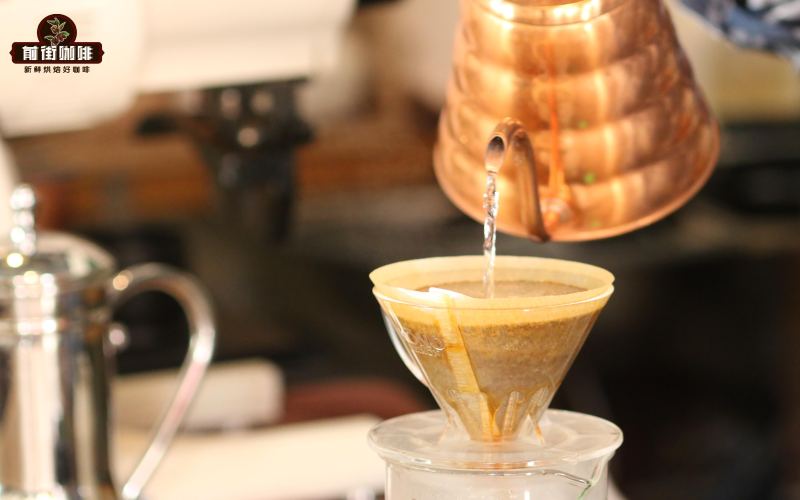
To brew a delicious cup of coffee, you need not only good beans but also good water. In brewed coffee, water accounts for over 98% of the final cup. Therefore, choosing the right water for brewing is also crucial. So what kind of water is actually suitable for brewing coffee? First, Front Street Coffee will explain the requirements for water suitable for brewing coffee. One [more…]